Islamic Law (Fiqh) 3
میں سادہ فقہ (غیر استدلالی)
اس آنلائن کلاس کے بارے میں
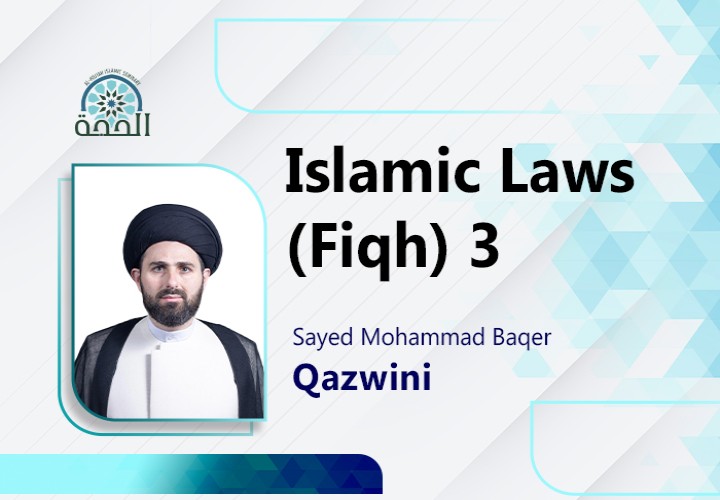
Islamic Law (Fiqh) 3, taught by Sayed Mohammad Baqer Qazwini, examines practical Islamic rulings concerning Khums, Hajj, Umrah, Ziyara, Amr bil Ma'ruf, and financial transactions. The course covers detailed legal questions related to worship, pilgrimage, religious obligations, and commercial activity.
Khums and Its Rulings
The course begins with further discussions on Khums, including Khums in relation to inheritance, dealing with a person who does not pay Khums, and the concept of Tahleel of Khums. It also examines specific forms of Tahleel, the recipients of Khums, and Anfaal.
Hajj and Its Requirements
A major part of the course focuses on the rulings of Hajj. It discusses the importance and reward of Hajj, its immediacy, and Istita'ah (the ability to perform Hajj). The course also examines going to Hajj without sufficient ability, Hajj and debt, Niyabi Hajj, and the conditions required of a representative performing Hajj on behalf of another person.
Umrah and Ihram
The course covers Umrah Mufradah and the rulings concerning entering Mecca. It then examines the different types of Hajj and detailed rulings related to Ihram, including entering Ihram before or after the Miqaat, its components, Kaffara for hunting and marriage, and the prohibited acts of Ihram.
Tawaf, Sa'y, and the Rites of Hajj
Several sessions examine the practical rites of Hajj, including the origin and conditions of Tawaf, interruptions during Tawaf, and questions concerning skipping Tawaf. The course also covers Sa'y, shaving or shortening the hair, the rituals of Arafah and Muzdalifah, stoning the Jamaraat, sacrificial animals, the rites of Mina, and completing the Hajj.
Ziyara and Amr bil Ma'ruf
The course also discusses the significance of Ziyara and the Islamic principle of Amr bil Ma'ruf (enjoining the good). It examines the conditions for carrying out this obligation and addresses questions concerning physical discipline.
Islamic Transactions
The final sessions introduce rulings related to Islamic transactions, including different types of transactions and newer forms of commercial exchange. The course examines non-verbal sales (Mu'atat), ownership and permissibility, and the conditions governing such transactions.
Learning Materials
Each session includes a PDF containing the important points of the lesson and a multiple-choice quiz to help learners review the material and assess their understanding.