
اس آنلائن کلاس کے بارے میں
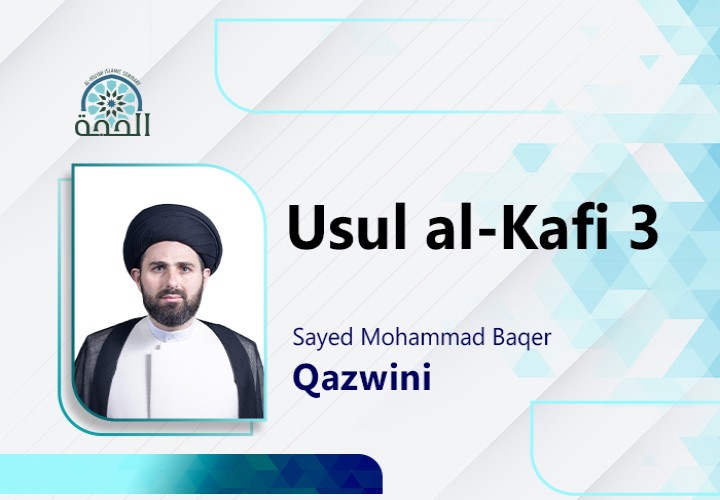
Usul al-Kafi 3, taught by Sayed Mohammed Baqer Qazwini, explores important theological and legal discussions found in Usul al-Kafi, with a particular focus on Islamic theology (Kalam), methods of understanding religious texts, and the principles used in deriving religious rulings. The course examines questions concerning Taqlid, Bid'a, Qiyaas, contradictory hadiths, and the nature and attributes of God.
Taqlid, Bid'a, and Qiyaas
The course begins with discussions on Taqlid (emulation) and the principles governing the following of religious scholarship. It also examines Bid'a (religious innovation) and the Shia perspective on Qiyaas (analogical reasoning). These sessions introduce important questions concerning how religious teachings are understood and applied.
The Qur'an and Conflicting Hadiths
The course explores the comprehensive nature of the Qur'an and examines methods for dealing with apparently contradictory hadiths. These discussions provide an introduction to the principles and criteria used by scholars when studying and interpreting religious traditions.
Theology and the Study of God
A major part of the course focuses on Tawhid (Monotheism) and the nature of God. The sessions examine divine attributes, divine will, and the meanings of divine names such as Samad, Latif, and Qaher.
Divine Attributes and the Nature of God
The course addresses several theological questions concerning God, including His existence beyond space and time, the impossibility of visually seeing God, and the meaning of concepts such as the Divine Throne and the Face of God. It also discusses the level of Ma'rifah (knowledge of God) required for a believer to understand and know God.
Learning Materials
Each session includes a PDF containing the important points of the lesson and a multiple-choice quiz to help learners review the material and assess their understanding.